
 Русский
 Українська
 Հայերեն
 ქართული
 Қазақша
 Español
 Français
 Deutsch
 Italiano
 فارسی
فارسی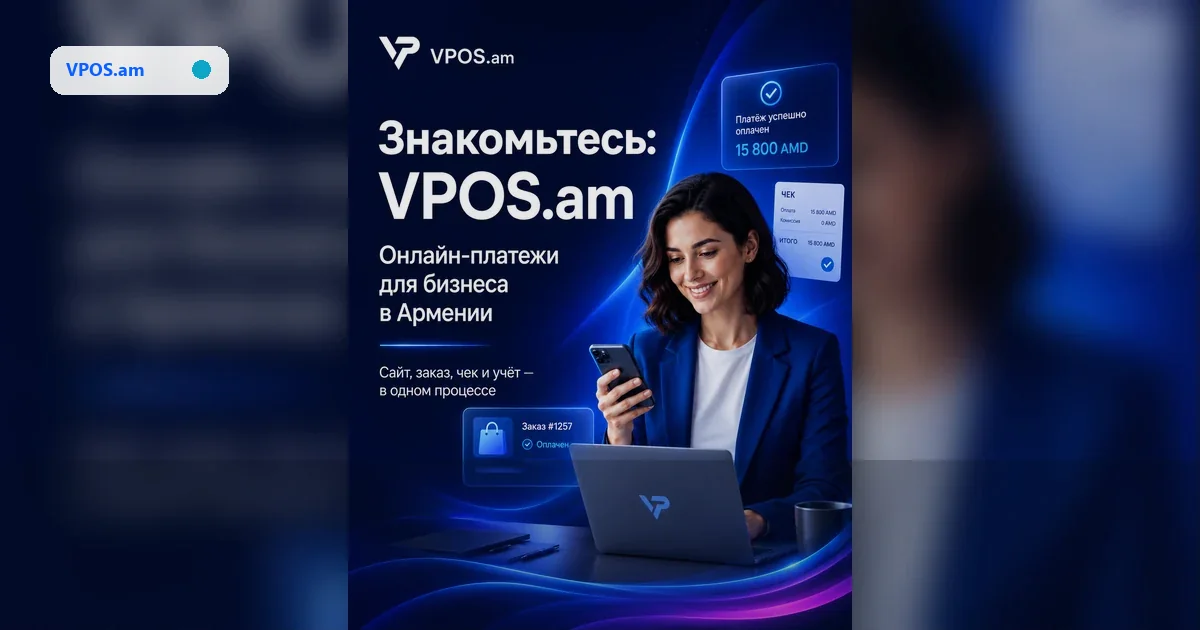
Article focus
VPOS.am connects payments with business workflow
A business needs more than a payment button: it needs the order, confirmation, status, receipt and records to stay connected.
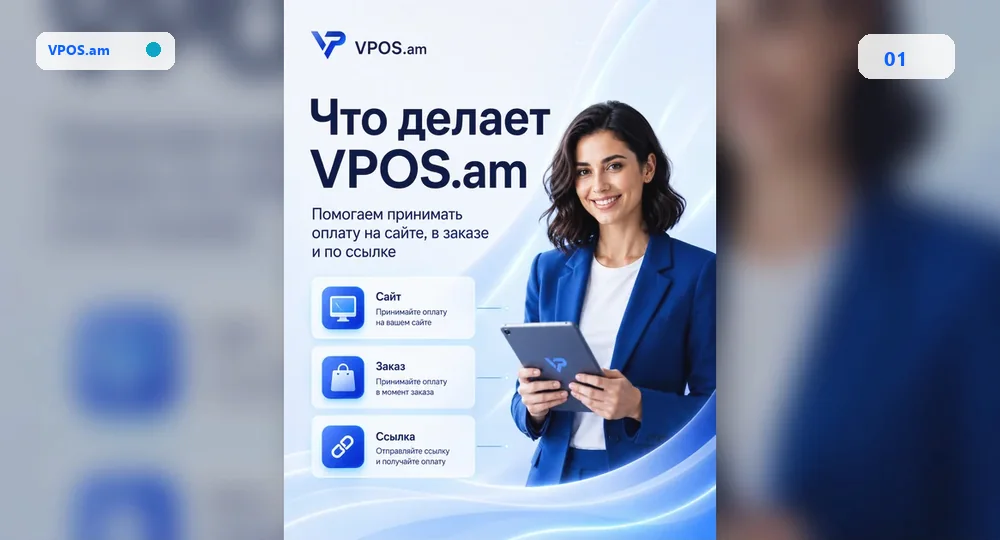
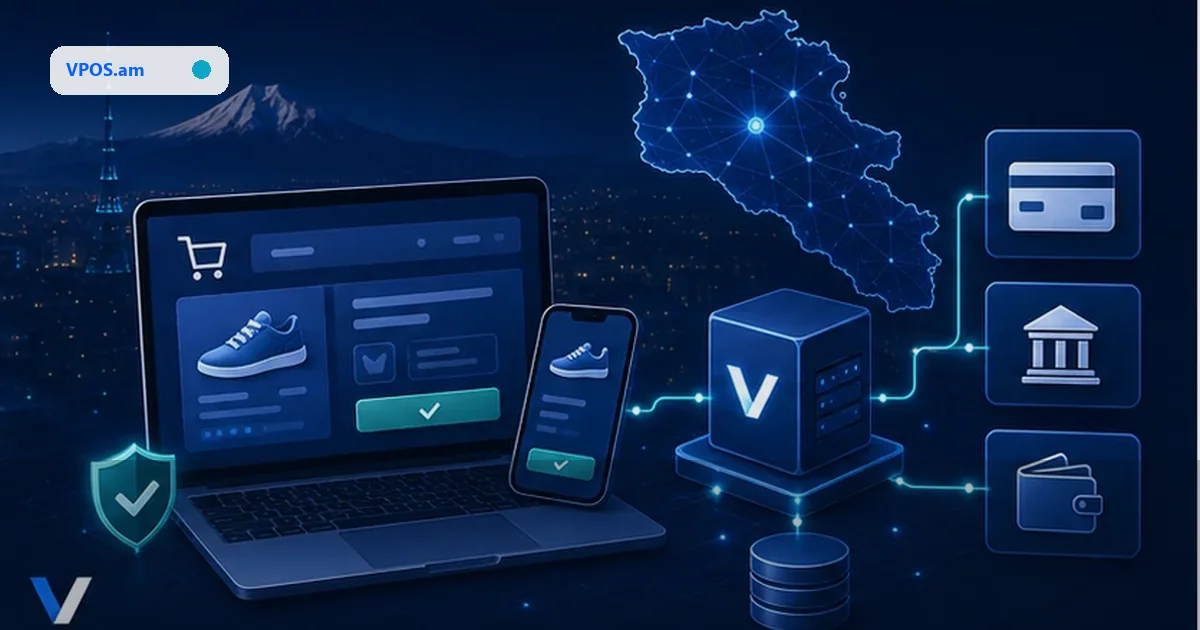
VPOS.am is technical integration software. The merchant contracts separately with a bank or licensed payment provider that accepts and transfers the funds; VPOS.am connects the provider-hosted interface and verified statuses to the website, CRM, ERP and records.
In a real business process, a payment rarely stands alone. After a successful payment the order status should update, the customer should see a clear result, the receipt or fiscal workflow should be handled, and the team should know what to do next.
- connect bank-hosted checkout to a website, order or payment link;
- use verified payment status instead of manual guessing;
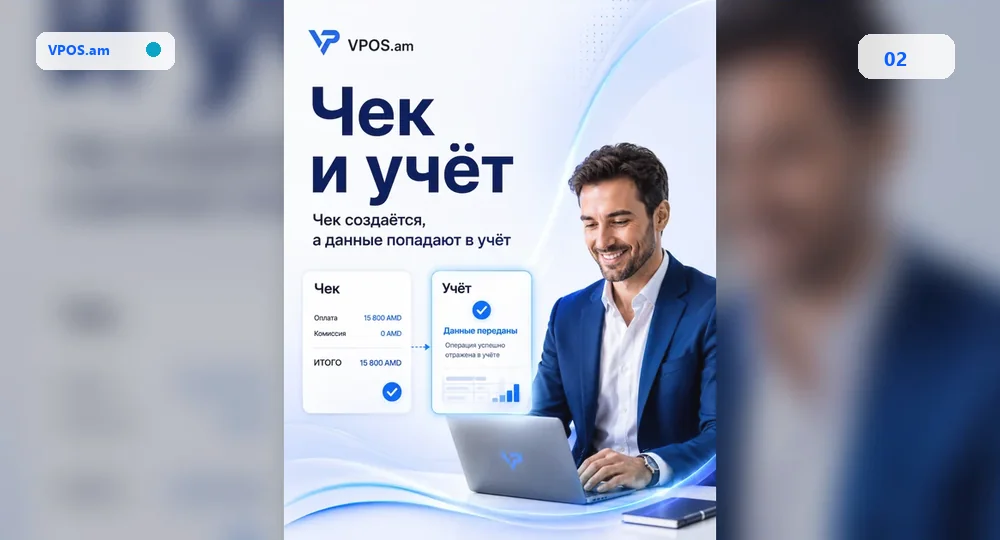
- connect payment with order, customer, receipt and records;
- reduce manual checks for managers and accounting teams.
Where VPOS.am is especially useful
The service fits businesses where payments must be visible, processed correctly and not lost in manual conversations.
VPOS.am is useful for online stores, service companies, cafes, delivery businesses, education projects, clinics and other merchants that already have or plan to obtain a bank or licensed-provider agreement and need technical integration with their business systems.
The typical flow is simple: a customer receives a link or opens payment from an order, pays, and the business sees the result without separate manual checks across messages, banking portals and spreadsheets.
- online stores and order catalogs;
- services, appointments, consultations and courses;
- cafes, delivery and fast repeat orders;
- B2B invoices and payment links;
- CRM workflows where managers need final payment status.
What becomes clearer for the team
When a payment is tied to the order and records, the team sees a business event with a clear status, not just an amount.
The main value of VPOS.am is reducing payment confusion. A manager does not need to manually ask whether the payment arrived. Accounting can reconcile payments more easily. Support can answer customers with context because the status is visible.
Technically this needs a clean contract: stable order id, amount, currency, status, payment time, receipt linkage and delivery of the result into a CMS, CRM, ERP or internal API. That turns payment from an isolated transaction into a manageable process.
- customer paid - the order receives the current status;
- receipt and records stay connected with the payment;
- edge payments are easier to find by order id and payment id;
- the team works with a clear result instead of guesses.
FAQ
Is VPOS.am only for online stores?
No. It can also fit services, cafes, delivery, education, clinics, B2B invoices and CRM scenarios where payment must connect with an order, customer or internal record.
Can payments be accepted outside a website?
Yes. In addition to website payment, a business can use payment inside an order or by link when it needs to send a clear payment flow to a customer.
How can a business discuss integration?
Message VPOS.am and describe where orders currently happen: website, CRM, messenger, cafe, delivery or another channel.
Sources and documentation
- VPOS.am API docsAPI and payment lifecycle contract
- Webhooks technical contractDelivery, signature and idempotency boundaries
- VPOS.am securityPublic security and access principles